
Ne Pas Toucher, 21-24 May 2026
ARTIST STATEMENT
Daniella McNulty is a multidisciplinary surrealist artist working between Paris, London, Geneva and Taipei, whose practice explores identity, femininity, mythology, eroticism, ritual and the politics of the body through painting, installation and participatory performance.
Drawing from her Taiwanese-Irish heritage, alongside her parallel career in global luxury culture and academia, Daniella McNulty’s work exists at the intersection of fine art, fashion, philosophy and contemporary feminist discourse. Her practice rejects passive spectatorship, instead creating immersive emotional landscapes in which the viewer becomes physically implicated in the artwork itself.
For NE PAS TOUCHER - the first feminist exhibition in Paris bringing together thirteen female artists across cisgender, transgender and queer identities from around the world - Daniella McNulty presents a monumental triptych installation that radically reimagines the female body not as object, but as instrument, architecture and collective force.
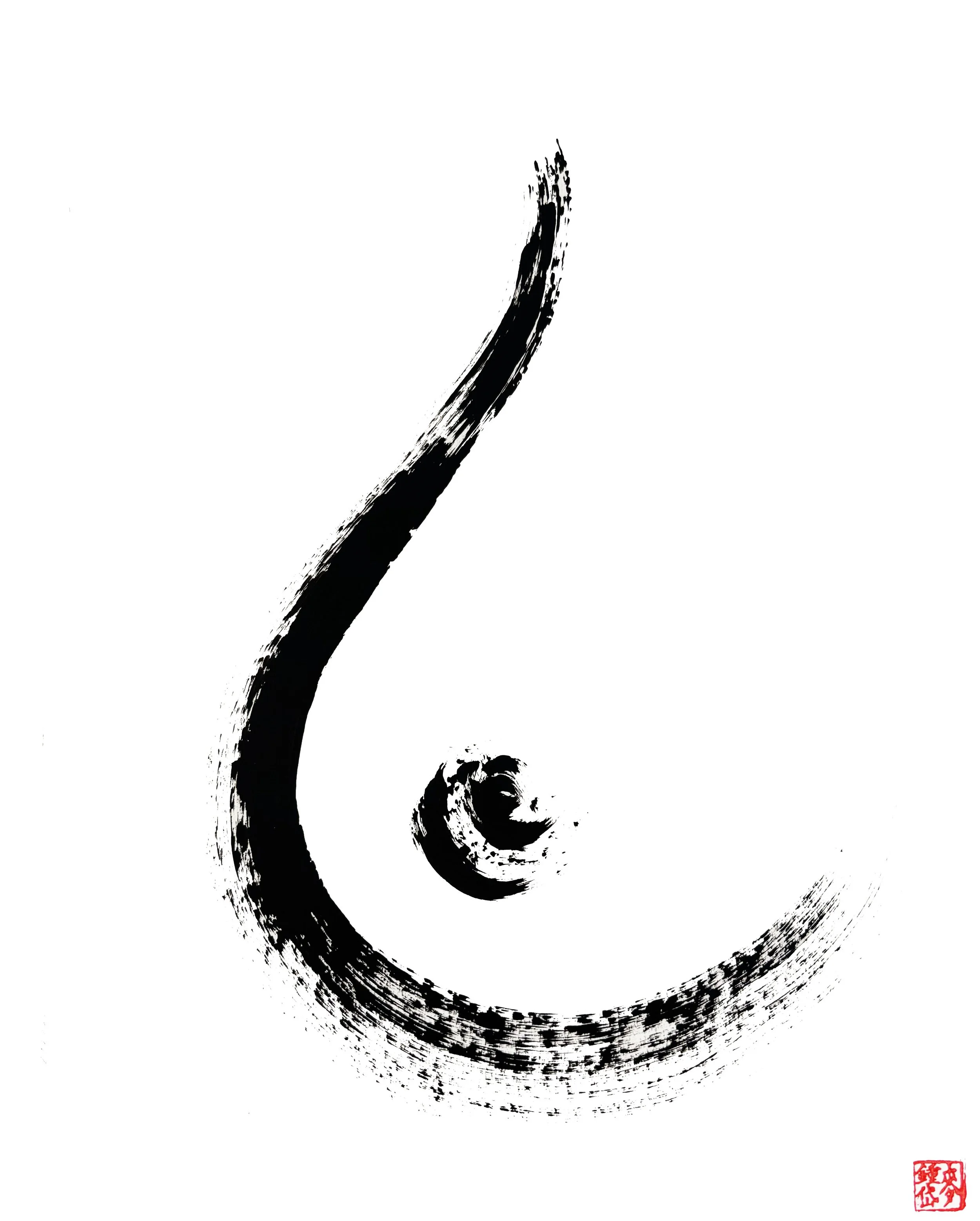
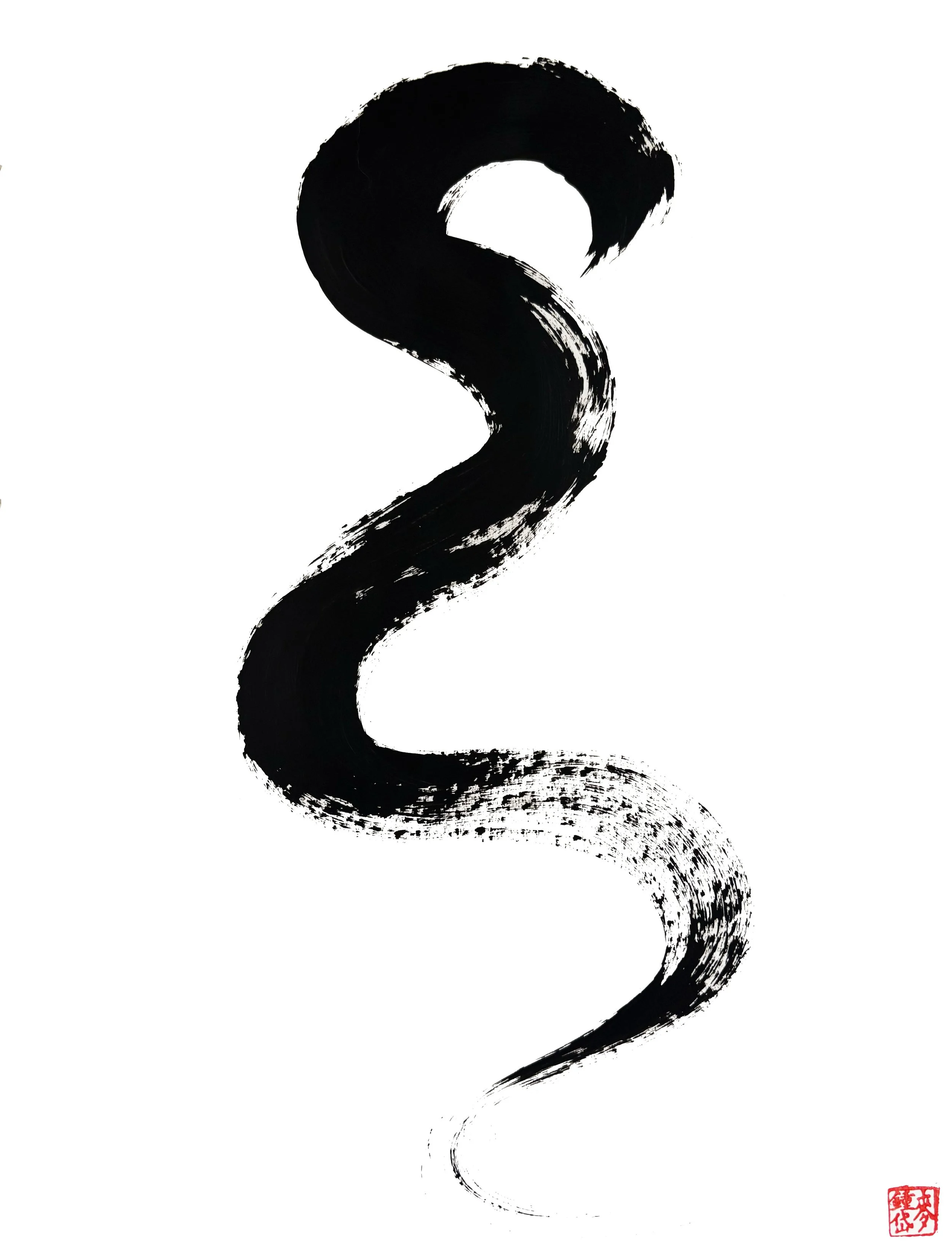
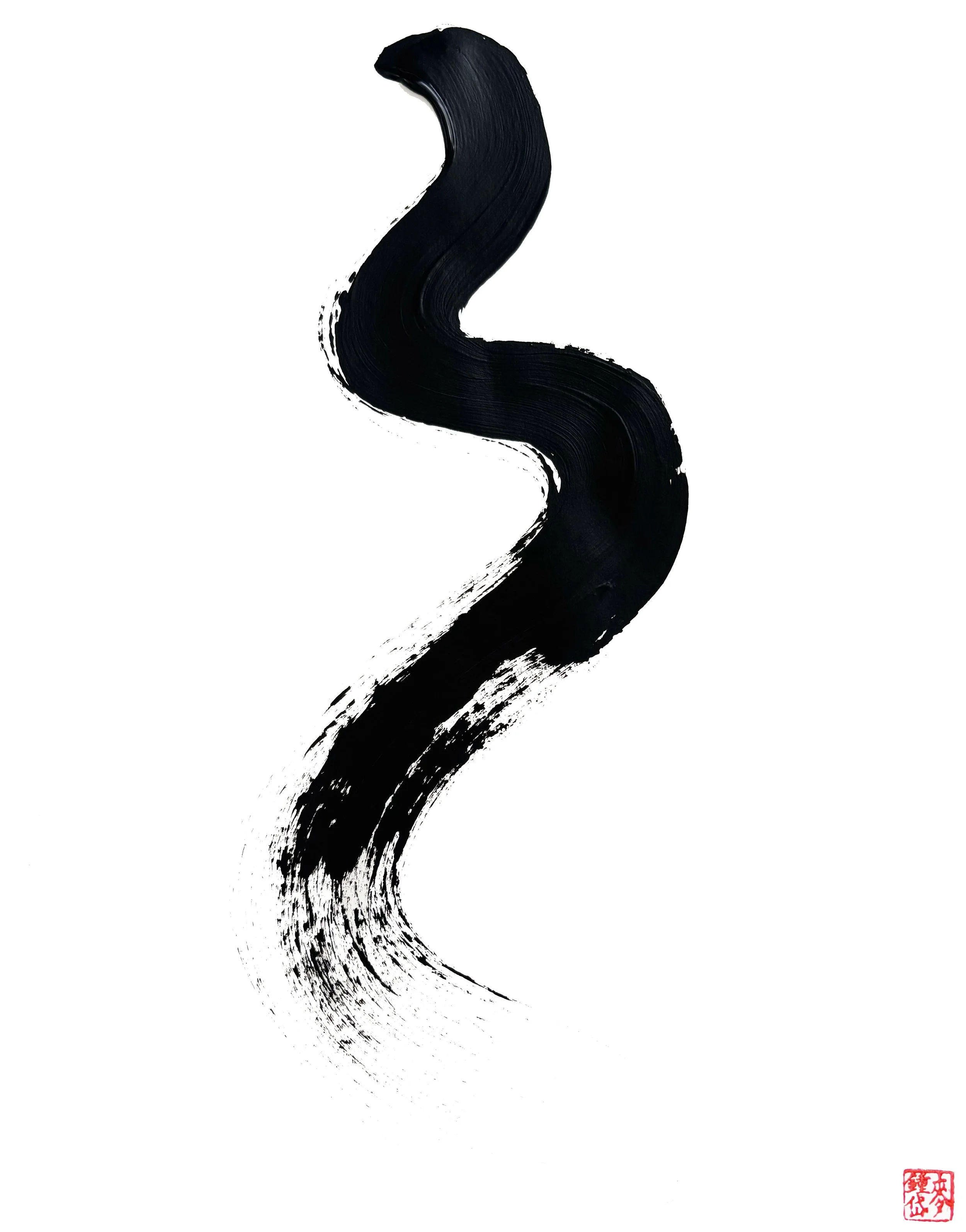
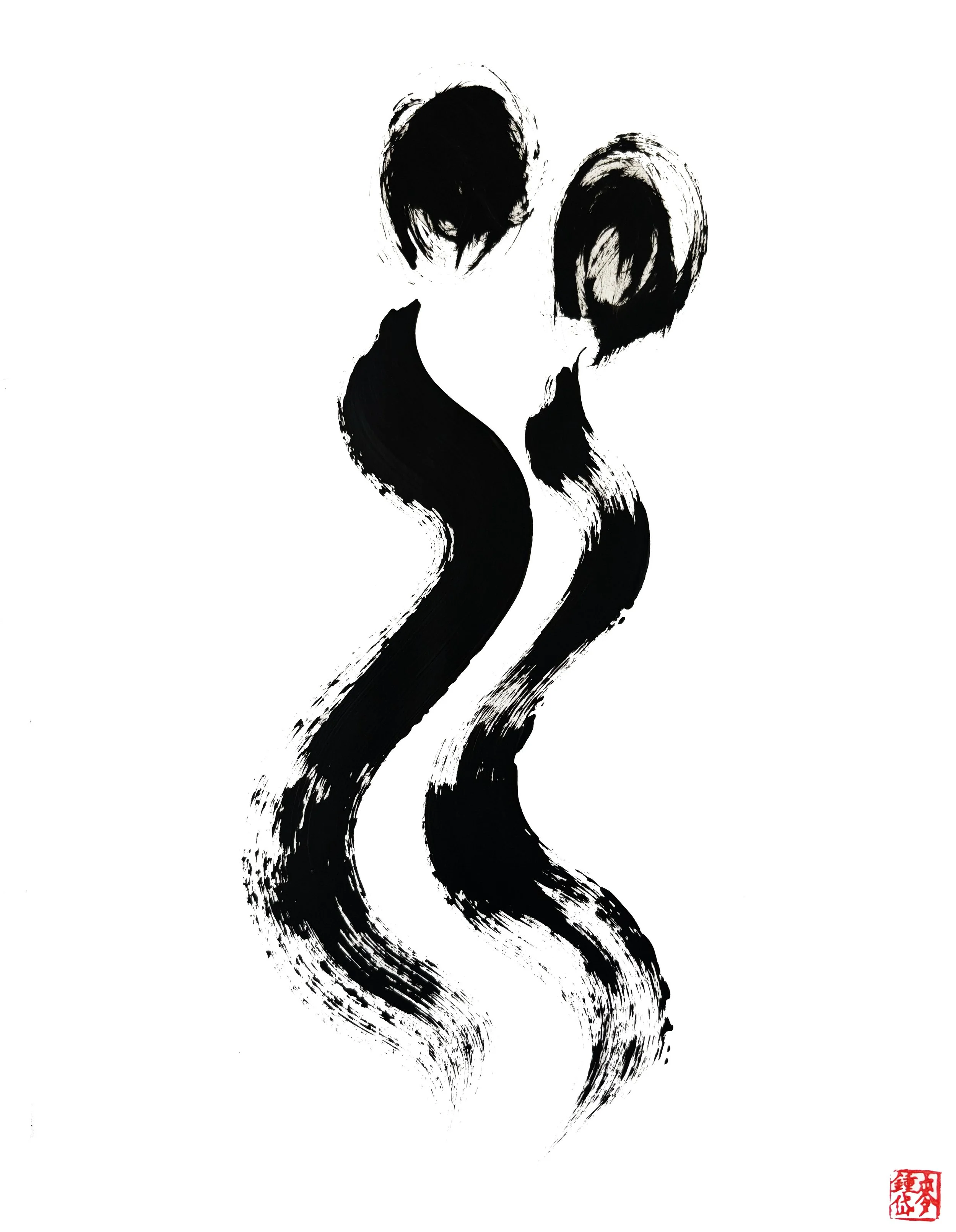
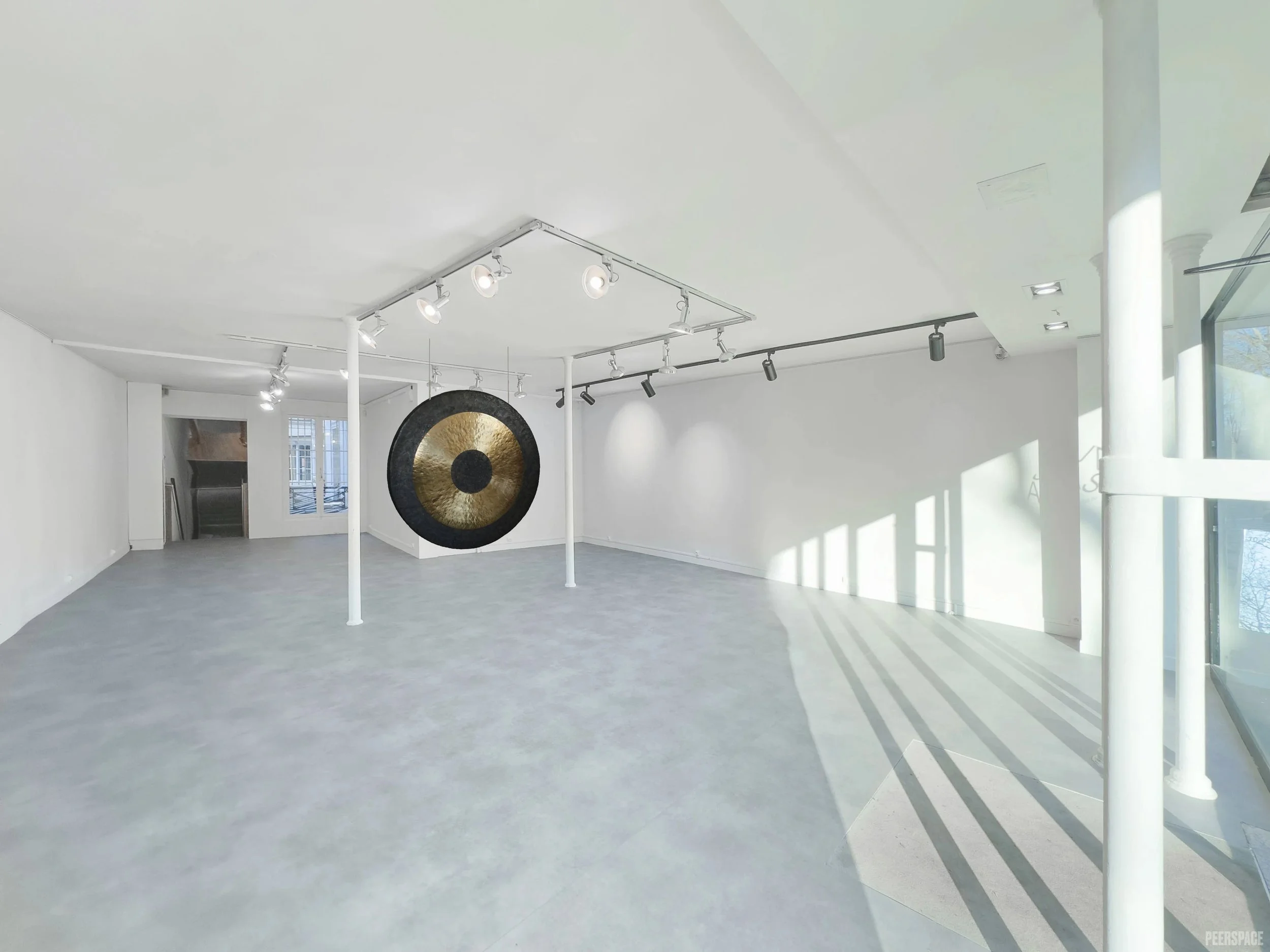
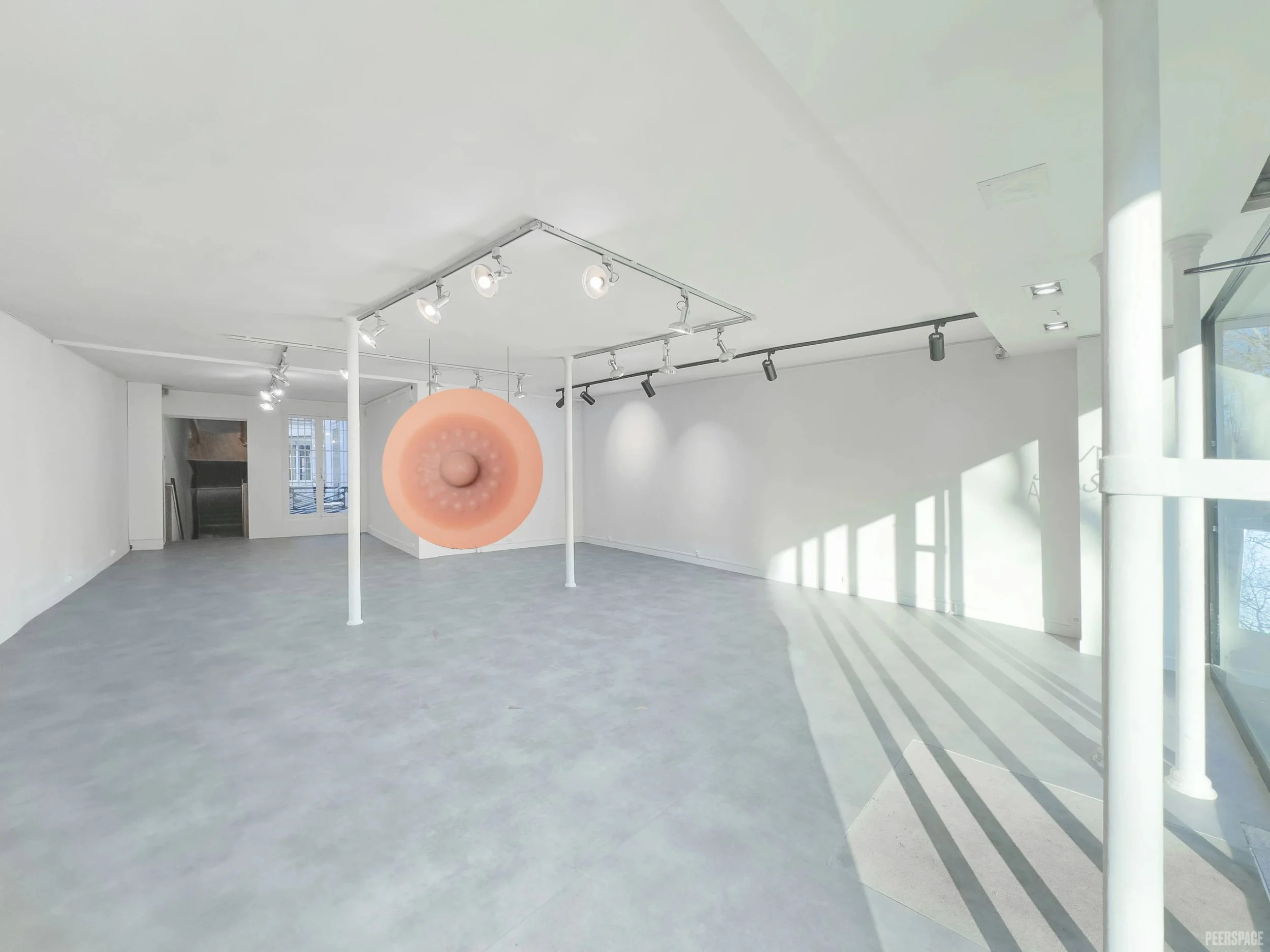
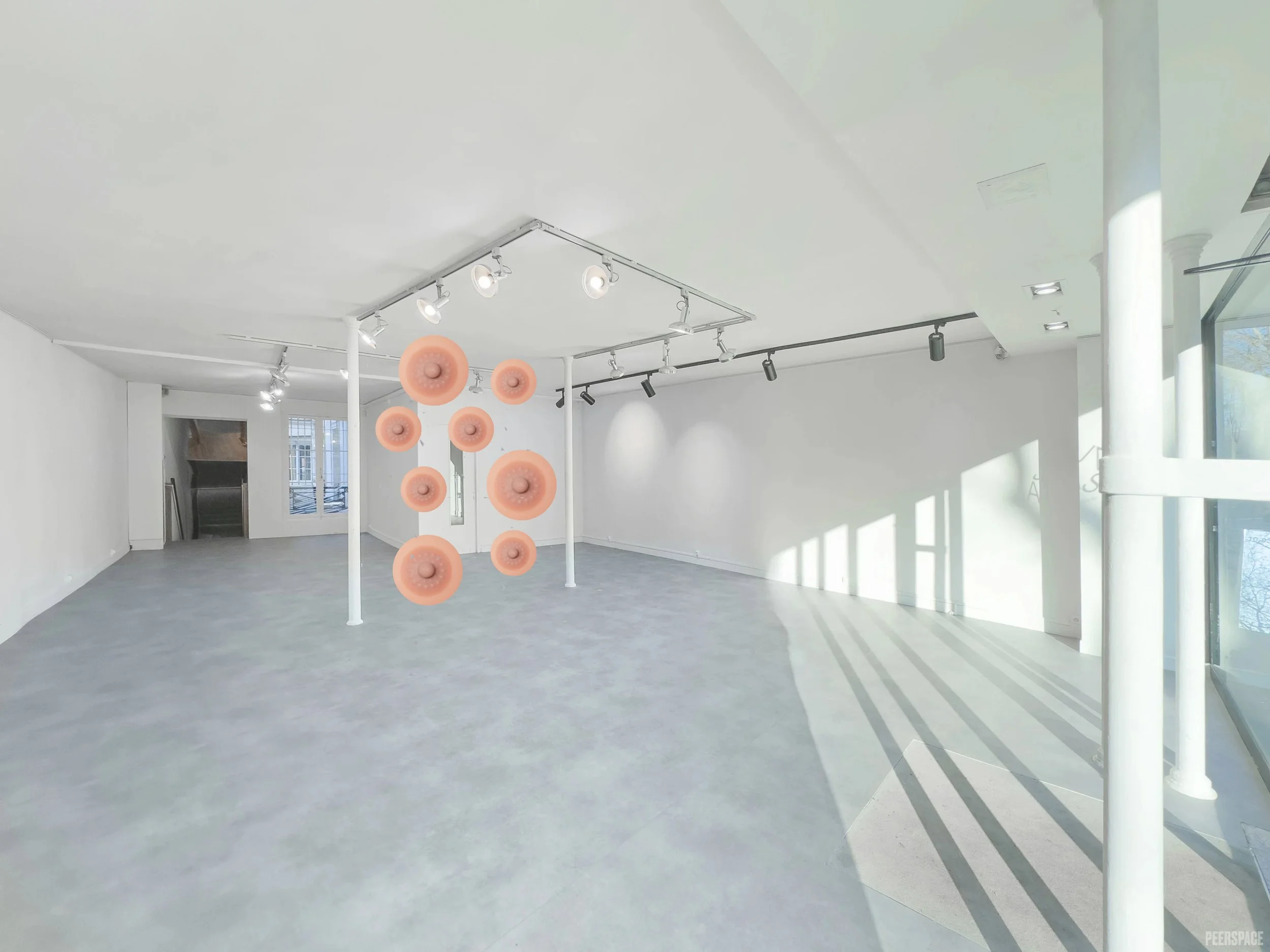
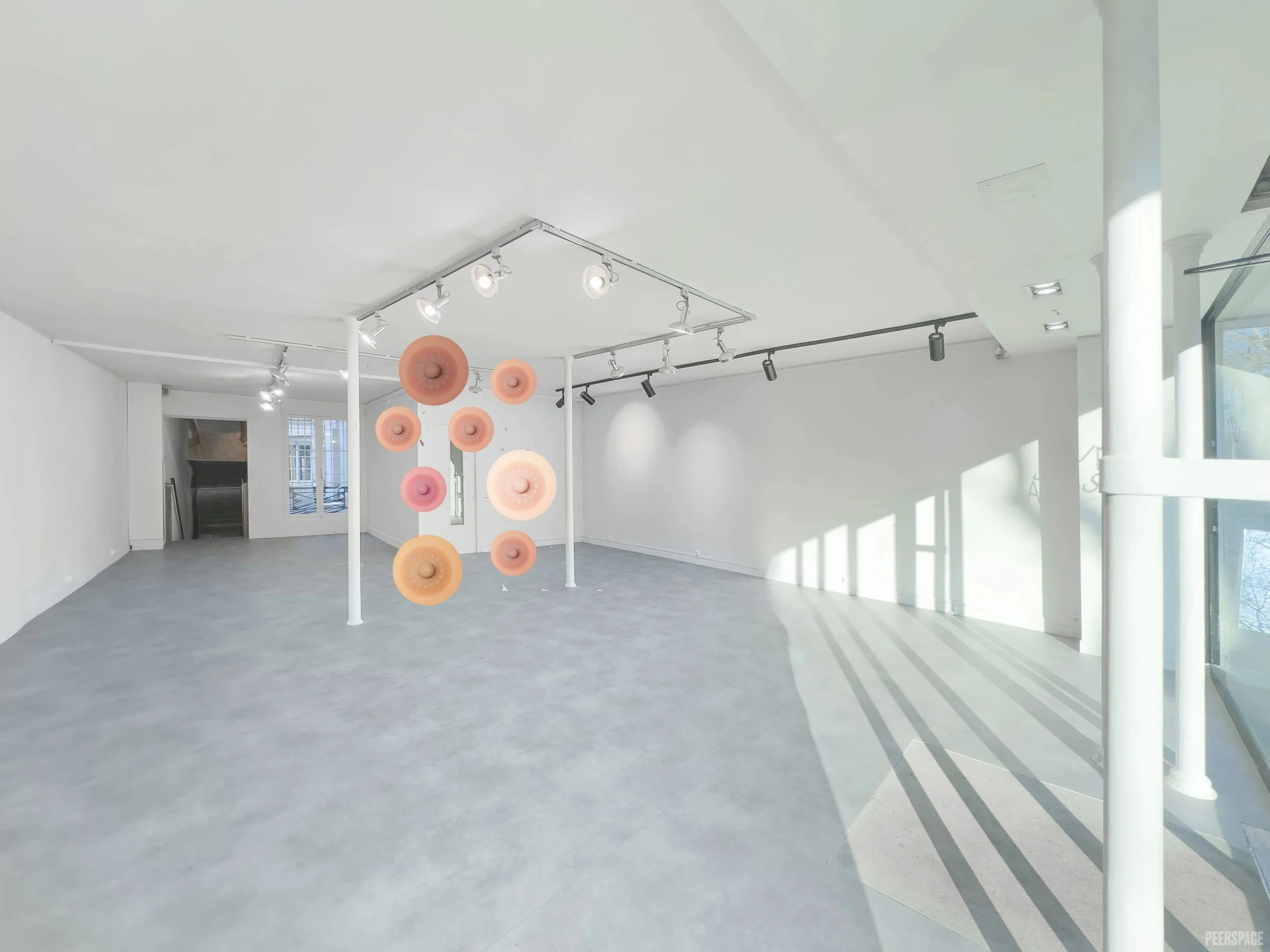
Suspended from the ceiling are two large-scale calligraphy-inspired scrolls positioned like ceremonial guardians within the space: gestural, bodily, almost spectral. Between them hangs the central work: THE BOOB GONGS - a collection of eight hand-painted bronze and metal gongs sculpted as breasts, each representing different skin tones, nipple forms, textures and embodiments of womanhood. The installation rejects the historical flattening of femininity into a singular ideal; instead, it proposes multiplicity, contradiction and radical inclusivity as the new visual language of contemporary feminism.
Even in silence, the work radiates power.
But through touch, vibration and resonance, it transforms into a fully embodied feminist ritual.
Audience members are invited to strike, vibrate, stroke and play the gongs using LELO pleasure objects, including products from the brand’s newest launch. In doing so, the installation deliberately collapses distinctions between sacred object, erotic object, artwork, body, luxury commodity and instrument. The white-walled gallery - historically silent, exclusionary and governed by rules of distance and control - is transformed into a resonant site of intimacy, participation and collective disruption.
This act is intentionally confrontational. Historically, women’s bodies in art have been touched symbolically, consumed visually and controlled institutionally, while women themselves remained excluded from authorship, ownership and power. THE BOOB GONGS inverts this dynamic. Here, the audience does not consume the female body visually; they collaborate with it sonically. Touch becomes consensual. Pleasure becomes compositional. Sound becomes feminist resistance.
Daniella McNulty’s work positions itself within the lineage of female surrealism pioneered by artists - such as Leonora Carrington, Dorothea Tanning, Meret Oppenheim and to a certain extent, Marina Abramović herself - yet pushes the movement into territory those artists were never institutionally permitted to occupy: fully participatory, queer-inclusive, technologically hybrid and unapologetically erotic. Rather than depicting dreams, Daniella McNulty constructs a living surrealist system in real time - one activated through bodies, vibration, touch and social interaction.
The work proposes something historically unprecedented: a feminist installation in which sexuality is neither censored nor commodified for the male gaze, but reclaimed as a collective instrument of authorship, agency and public power.
At a moment when queer identities, bodily autonomy and artistic freedom continue to face political attack globally, NE PAS TOUCHER becomes more than an exhibition title; it becomes a provocation. A contradiction. An impossible command. Daniella McNulty responds by creating a work that insists women, queer people and marginalised bodies are not untouchable - they are untouching the institution itself, reshaping what art can be for the future.
This is not simply an artwork to observe.
It is an artwork to enter, to hear, to disturb, to play, to feel.
It is an invitation, a provocation and a rebellion unfolding in real time.
It is a ceremony of touch, resonance and resistance.
It is, in fact, an activation of the body itself.
And perhaps, for the first time, an artwork that gives feminism a physical voice loud enough to reverberate through the walls of a gallery - and perhaps, of Paris, and the world.

Gosh this month was insane. May was absolute madness.
I loved every moment, even the tough ones, I learnt so much from them.
Surprisingly, my skin and health actually held out until summer, and still, now in August, it seems I meditated and breathed deeply enough to get through all the madness without any breakouts.
Nice.
The Ne Pas Toucher Instagram Highlight is here
Much more to come soon!
